
2026 Top Tractor Hydraulic Ram Suppliers for Global Buyers
Global buyers need more than a low quote when choosing a Tractor Hydraulic Ram supplier. The right cylinder must match the tractor’s pressure, mounting points, stroke, and working load. A ram that looks suitable on a catalog page may still bind against a linkage or leak under repeated field use. Small details matter.
Hydraulic engineer Herbert E. Merritt’s published work is a useful technical reference, but no verified quotation from him is available here. So this guide uses an original buying principle instead: “Match the ram to the machine before comparing the price.” It is a practical reminder, not a historical quote. Measure the installed cylinder, check port sizes, and confirm seal and rod specifications with the supplier. Ask how parts are tested, what documentation comes with each unit, and whether replacement seals are available. Clear answers count.
The 2026 supplier landscape includes manufacturers, distributors, and custom-cylinder shops. Their capabilities are not equal. Some offer broad catalogs; others handle smaller production runs or unusual dimensions. This guide compares suppliers through product range, technical support, quality controls, customization, and delivery reliability. No shortlist is perfect. Buyers should verify claims against their own tractor model and service conditions, especially where dust, mud, or frequent lifting can expose weak seals and poor fit. A careful match can reduce downtime. It cannot remove every risk.
Tractor Hydraulic Rams: Functions, Types, and Core Components
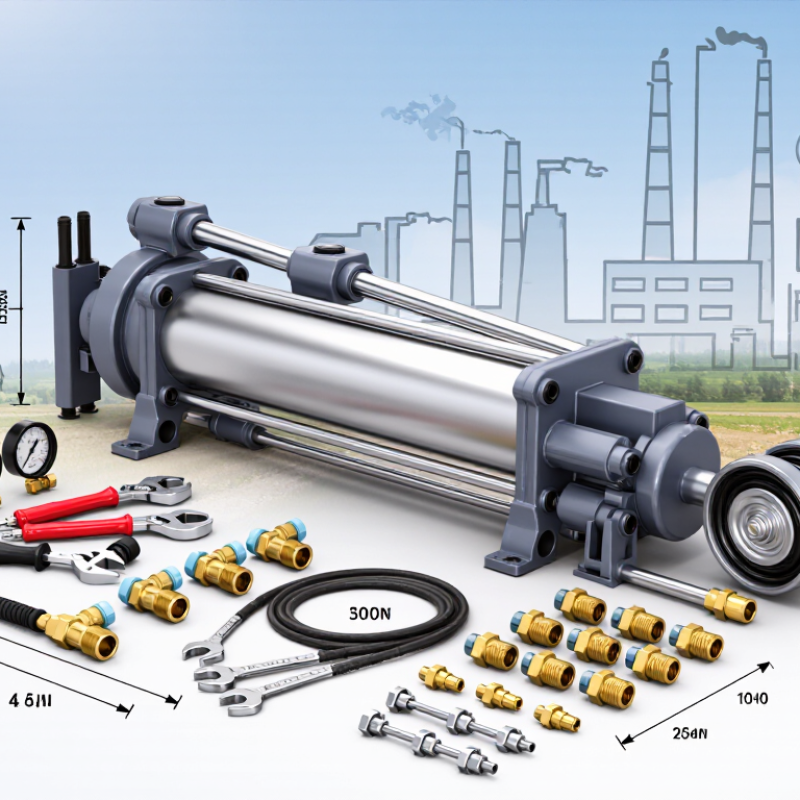
A tractor hydraulic ram converts pressurized oil into straight-line force. It raises a loader, adjusts a three-point hitch, or moves a steering linkage. The ram’s bore and operating pressure influence its force; stroke determines how far it travels. Pressure matters. A cylinder that is poorly matched to the tractor may move slowly, strain the system, or fail to hold a load safely.
Common designs include single-acting cylinders, which use hydraulic pressure in one direction and gravity or a spring for return, and double-acting cylinders, which receive pressure on both sides of the piston. Telescopic rams extend in stages, offering a long stroke in a compact space. Core parts include the barrel, piston, rod, seals, ports, and mounting ends. Damaged seals can cause oil leaks or drifting, while a bent rod may score the barrel. Bore size alone is not enough; stroke, mounts, load, and available flow also matter.
Tips: Confirm the tractor’s pressure and flow specifications before selecting a replacement. Check rod diameter, pin spacing, port thread, and retracted length against the existing unit. Keep fittings clean during installation. A small mismatch can cause trouble. Inspect for leaks after cycling the ram without a load, then follow the tractor’s service guidance before normal use.
