
2026 Top CNC Milling Machine Manufacturers for Global Buyers?
Choosing among the 2026 top CNC Milling machine manufacturers requires more than comparing prices or spindle speeds. Global buyers need evidence of accuracy, service capacity, machine rigidity, software integration, and long-term parts availability.
Industry forecasts show continued expansion. Fortune Business Insights values the global CNC machine market at tens of billions of dollars, with further growth expected through 2032. Grand View Research also identifies automation, aerospace demand, electric vehicles, and smart-factory investment as major market drivers. However, these reports use different market definitions. Their figures should guide research, not replace technical verification.
The machine makes a difference.
Professor Yoram Koren, a leading manufacturing-systems researcher, emphasizes that modern production systems must respond quickly and economically to changing requirements. That principle applies directly to CNC Milling buyers comparing flexible five-axis platforms, high-speed vertical mills, and production-focused horizontal machines.
This guide evaluates manufacturers through a buyer’s practical lens. It considers positioning accuracy, repeatability, thermal control, controller usability, tool-changing performance, and documented customer support. It also examines regional service networks, training resources, installation quality, and total ownership costs. A lower purchase price may become expensive when critical components require overseas shipping.
No ranking is perfect.
Application details can change the result. A compact workshop may value accessibility and financing, while an aerospace supplier may prioritize process validation and unattended reliability. Buyers should request test cuts, inspect sample parts, confirm warranty terms, and review independent user feedback before ordering. The following manufacturer overview aims to make that evaluation clearer, more measurable, and more realistic for global procurement teams.
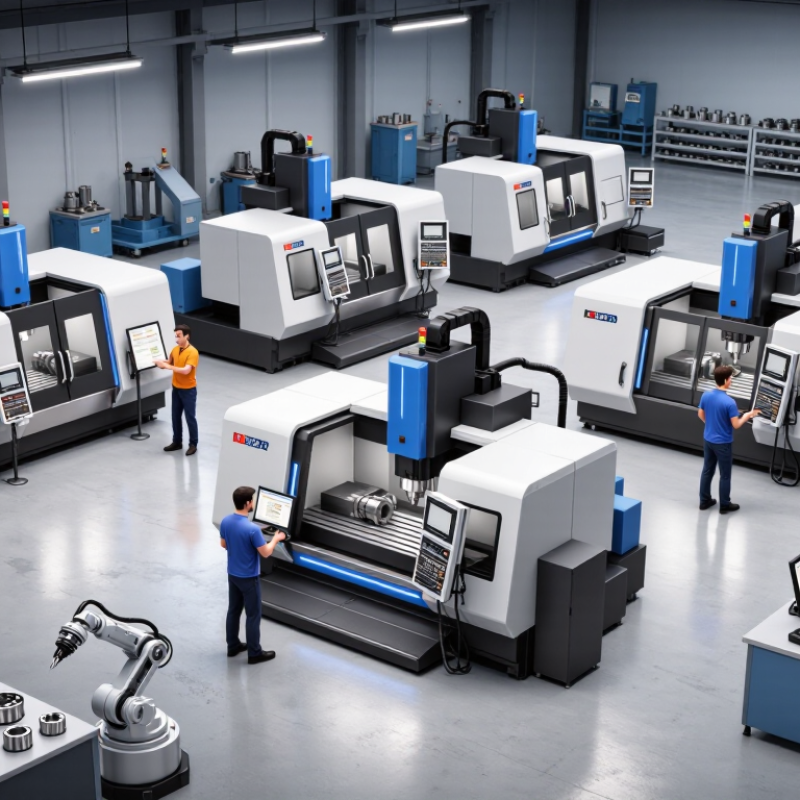
What Defines a Top CNC Milling Machine Manufacturer in 2026
In 2026, a top CNC milling machine manufacturer is defined by verified performance, not a glossy catalog. Experienced buyers inspect cutting trials, surface finish, tool life, and cycle-time records. They ask how the machine behaves after eight hours of production. Thermal stability matters. A spindle that drifts several microns can spoil a tight aluminum housing. Manufacturers should publish test conditions, measurement equipment, and acceptance limits. Vague precision claims deserve careful questions.
Strong engineering also appears in details operators touch daily. Rigid castings, controlled lubrication, accessible filters, and clear alarms reduce avoidable downtime. Modern controls should support digital monitoring, safe updates, and secure data handling.
Yet automation is not automatically better. A complicated interface may slow a skilled operator during a tool change. Top manufacturers provide practical training, readable manuals, and remote support from trained local technicians. Response time should be measured, not promised.
Reliability depends on evidence over time. Buyers can request spare-parts records, calibration procedures, factory acceptance reports, and references from comparable workloads. Independent testing adds credibility. So does a transparent warranty process. No manufacturer gets everything right. Even a premium machine may show weaknesses under unusual materials or poor shop conditions. The most trustworthy supplier admits those limits, documents corrective action, and improves the design. That honesty often matters more than another impressive specification.
