
2026 Top Cast Iron Butterfly Valve Types for Buyers
Choosing a Cast Iron Butterfly Valve is not just a matter of matching pipe size. Buyers must compare valve type, seat material, pressure rating, operating method, and installation conditions. A wafer valve may suit a compact, tightly supported line, while a lug-style body can offer more flexibility during maintenance. Flanged designs may be preferable where robust end connections matter. Small details count: check the face-to-face dimension, disc clearance, flow direction, and whether the lining suits the fluid and temperature. A valve that fits the drawing can still disappoint in service.
Valve applications engineer Michael Hayes puts the buyer’s task this way: “Match the valve to the operating conditions, not just the pipe.” Treat that as a practical rule, not a substitute for the manufacturer’s data sheet. Confirm the rated pressure and temperature, seat compatibility, actuator requirements, and installation limits before ordering. For water service, for example, buyers may need to distinguish between resilient-seat and metal-seat designs; the right choice depends on operating demands and verified product specifications. There is no universal best type. Even experienced teams can overlook maintenance access or assume two similar-looking valves share the same ratings. They may not. This guide compares common cast iron butterfly valve types and the trade-offs buyers should examine. One caveat: product names and configurations can vary by manufacturer, so verify every critical detail with current technical documentation. That extra check is rarely wasted.
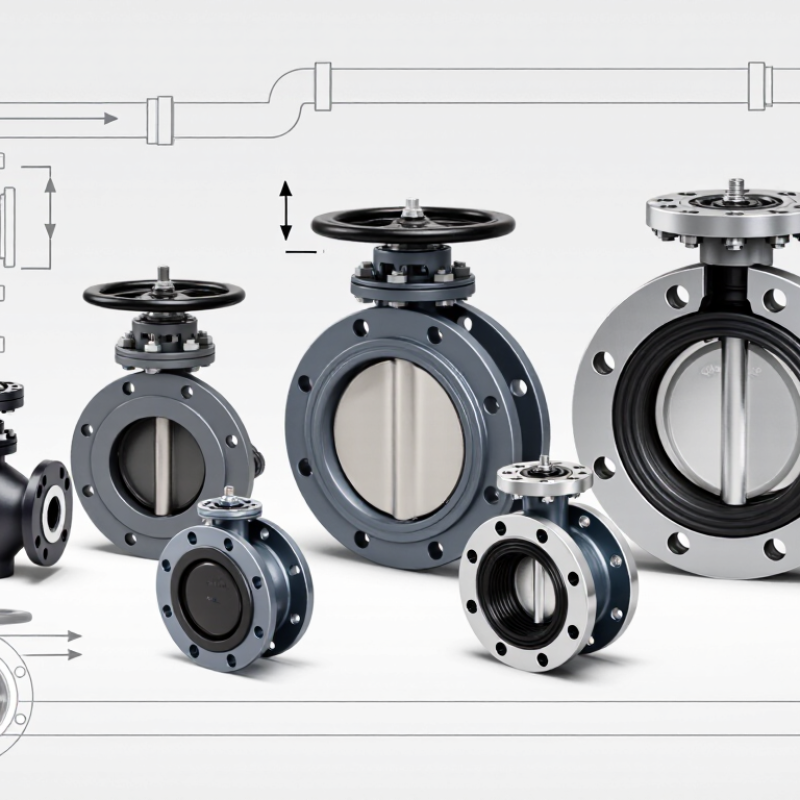
What Is a Cast Iron Butterfly Valve?
A cast iron butterfly valve is a quarter-turn valve that controls flow with a circular disc inside its body. Turn the handle or actuator, and the disc rotates on a shaft, moving from a position across the pipe to one aligned with the flow. A quarter turn. The compact design needs less space than many gate valves, making it practical in water distribution, building services, and other applications within its rated conditions.
The cast iron body provides a sturdy housing, but the material alone does not define the valve’s performance. Disc and seat materials, coating, pressure rating, temperature range, and connection style all matter. For example, a resilient seat may help provide a tight shutoff in a water line, while an unsuitable seat can wear or leak under demanding conditions. Not always. “Cast iron” is an easy label to trust too quickly; buyers should check the product data against the actual fluid and operating conditions. Installation details matter, too: a disc that cannot open fully may restrict flow or contact nearby pipework. This simple mechanism still deserves careful specification.
