
2026 Top Salinity Meter Types for Global Buyers
Choosing a Salinity Meter is not simply a matter of comparing display screens or prices. The right instrument depends on the sample, measurement range, operating conditions, and required accuracy. A handheld meter beside a hatchery tank faces different demands from an inline sensor monitoring a rinse-water pipeline. Small details matter: temperature compensation, probe cleaning, calibration solutions, and replacement-part availability can all affect dependable readings.
Physicist and measurement pioneer William Thomson, Lord Kelvin, expressed a useful principle: “When you can measure what you are speaking about, and express it in numbers, you know something about it.” For global buyers, that idea begins with understanding what each instrument actually measures. Conductivity meters infer salinity from electrical conductivity; refractometers estimate it through light refraction. Hydrometers use density, while laboratory methods can support more controlled analysis. These approaches are not interchangeable in every sample. A reading may also shift with temperature, dissolved substances, or poor calibration.
This guide compares the main Salinity Meter types and the practical trade-offs behind them. It considers portability, measurement range, maintenance, data handling, and suitability for field or process use. Buyers should check specifications against their own samples, not rely on a product label alone. No meter is maintenance-free. Even a well-built instrument can mislead when its probe is dirty or its calibration is overdue. The best choice is the one whose method, support, and care requirements fit the work—though that fit may need review as operating conditions change.
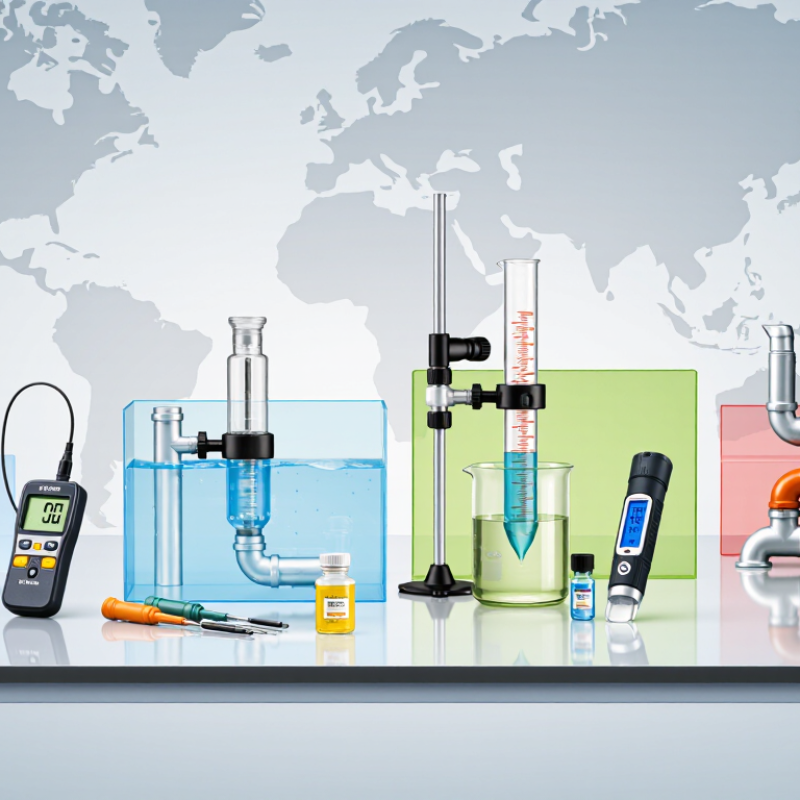
Core Measurement Methods Used in Salinity Meters
2026 Top Salinity Meter Types for Global Buyers
Core Measurement Methods Used in Salinity Meters
Conductivity is the most common method in portable salinity meters. Electrodes measure how readily a sample carries current; the meter then uses temperature and a conversion model to estimate salinity. UNESCO’s 1983 technical papers define the Practical Salinity Scale 1978, which relates seawater conductivity to practical salinity. NOAA describes average ocean salinity as about 35 parts per thousand. But that seawater reference is not a universal calibration point for concentrated brines or unusual process samples. Conductivity cells also need clean electrodes: a thin film of residue can shift readings.
Optical meters estimate salinity from refractive index, while hydrometers infer it from liquid density. Both can be useful for quick checks, but suspended matter, temperature, and sample composition can complicate interpretation. ISO 7888:1985 specifies conductivity measurement for water quality, underscoring the need for controlled measurement conditions. Still, a standard method does not remove every field error. The sample itself matters.
