
2026 Best Hex Nut Types for Global Buyers?
Choosing the right Hex Nut means balancing thread fit, load, environment, and assembly method. For global buyers, these details can affect installation time, maintenance, and the consistency of finished equipment. Common options include standard hex nuts, heavy hex nuts, nylon-insert lock nuts, flange nuts, and stainless-steel versions. Each serves a different purpose. A heavy pattern may suit demanding structural assemblies, while a flange can spread bearing pressure on a suitable surface. Locking features help resist loosening, but they do not replace correct torque or sound joint design. Material and finish matter. Carbon steel offers strength at competitive cost; stainless steel can help where moisture or frequent cleaning is expected. Yet corrosion performance depends on the exact grade, coating, exposure, and contact with other metals. Small details matter.
This 2026 buyer’s guide examines nut types through practical selection criteria rather than broad claims of universal superiority. It considers thread size and pitch, strength class, dimensions, coating, operating conditions, and compatibility with the mating bolt. Buyers should compare drawings, product markings, test documentation, and supplier consistency before approving a source. Where a project specifies a recognized standard, confirm the edition and dimensions against the engineering documents. Ask suppliers how they control material batches and inspection records. That evidence is useful. Prices and availability can vary by region, and cheaper components may increase rework if fit or finish is inconsistent. Still, paperwork alone cannot prove performance in every installation. Trial assemblies and qualified engineering review can reveal issues early. Some choices remain context-dependent. The comparisons ahead are intended to help buyers shortlist options, ask better questions, and make decisions that match real service conditions. Not every detail has a neat answer; that is worth admitting.
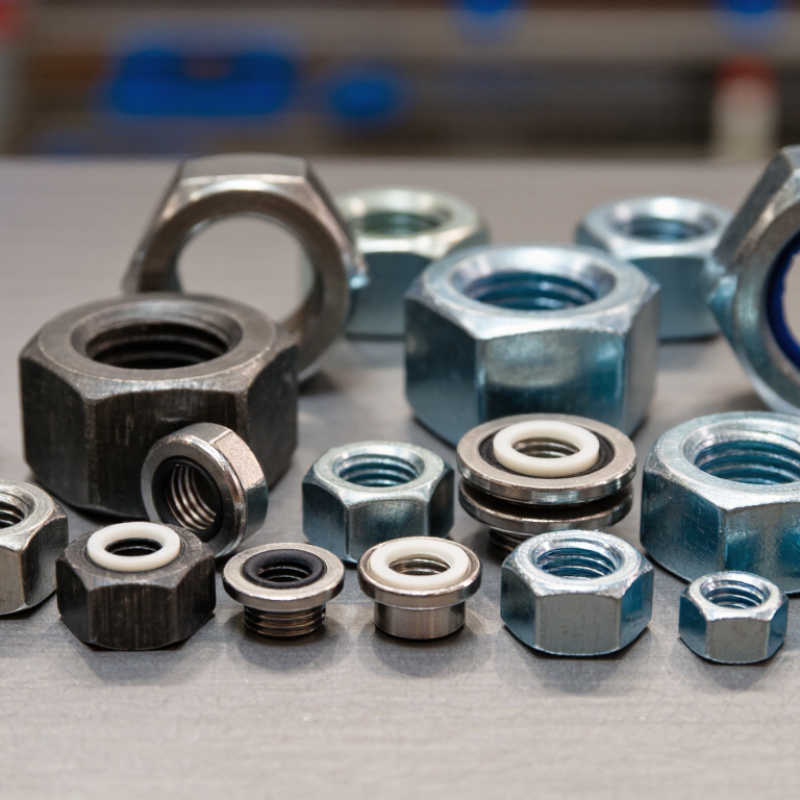
What Hex Nuts Are and How Their Six-Sided Design Works
A hex nut is a threaded fastener with six flat outer faces and a central opening. Its shape gives a wrench several firm contact points. The tool grips opposing faces and turns the nut along a matching bolt or threaded stud. Simple, but not trivial. Tightening creates clamping force that holds joined parts together.
Inside the nut, threads must match the bolt in diameter and pitch. When the nut turns, those threads convert rotation into forward movement. The nut’s flat bearing face then presses against the connected material, helping keep the assembly secure. A poor thread match can bind, damage threads, or leave the joint loose. Check the fit before applying force.
For buyers, the six-sided profile is only one part of choosing a nut. Material, strength class, dimensions, and coating affect how it performs in a particular assembly. A coating may help resist corrosion, but it can also change fit slightly. One detail is easy to miss: appearance alone cannot confirm a nut’s strength class. Verify markings and specifications against the intended bolt and service conditions. Even careful selection has limits; vibration, heat, and repeated assembly can still loosen or wear a joint.
