
2026 Top Fiber Opening And Pillow Filling Machine Guide
Choosing a Fiber Opening And Pillow Filling Machine is not just a matter of speed. Fiber type, staple length, moisture, and recycled content can all affect how smoothly material opens and how evenly pillows fill. A clump in the hopper or a light spot in the finished pillow is a small detail with real production consequences.
Textile Exchange’s Materials Market Report 2024 estimates that global fiber production reached 124 million tonnes in 2023 and could rise to 160 million tonnes by 2030. The report tracks fiber production, not pillow-filling equipment sales, so it cannot predict machine demand directly. It does, however, show why adaptable fiber handling deserves attention. Nonwovens researcher Dr. Behnam Pourdeyhimi’s work supports a practical principle: “Fiber structure should match the product’s intended performance” (paraphrased). For pillow producers, that means considering how opening intensity affects loft, resilience, and fill consistency.
This guide compares machine types, feeding methods, output considerations, and maintenance needs. It also asks questions buyers sometimes overlook: Can the line handle changing fiber blends? How easy is it to clean around the opening rollers? Does the stated capacity reflect real operating conditions? Small details matter. Specifications alone rarely tell the whole story. Use them alongside material trials, operator feedback, and clear production targets. Industry reports provide context, but they do not replace a test with your own fiber. The right choice should fit the product, the workflow, and the people running the line.
What Is a Fiber Opening and Pillow Filling Machine?
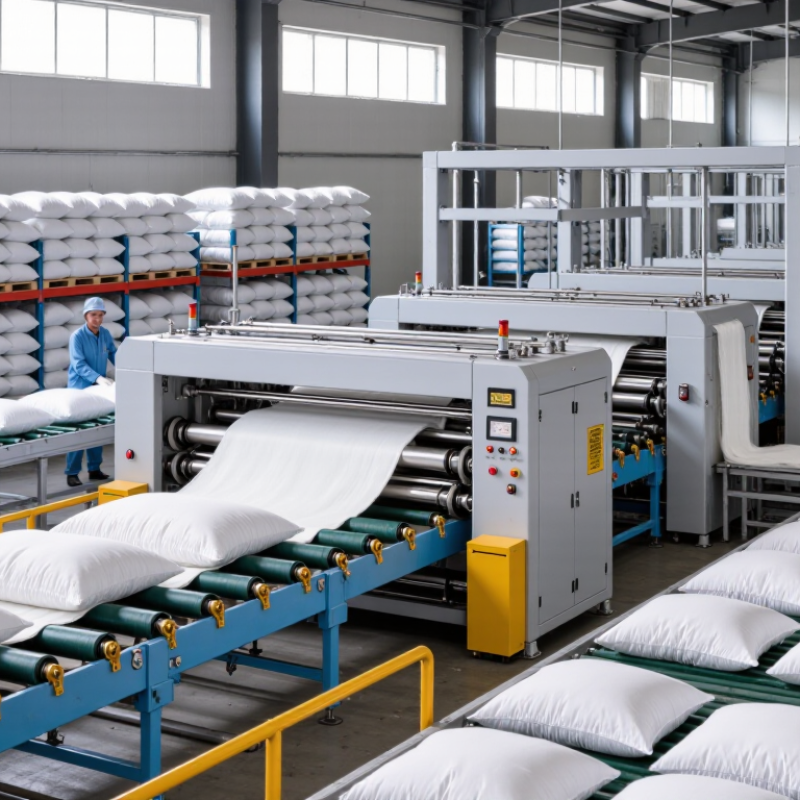
A fiber opening and pillow filling machine prepares loose or compressed fiber for use inside pillow shells. Its opening section loosens packed fibers, separates clumps, and helps create a more even, airy texture. A blower or conveyor moves the prepared material toward a filling nozzle. The operator places a pillow cover over the nozzle and fills it to a target weight or feel. Some systems use scales or timed controls; others rely more on operator adjustments. The setup varies with fiber type, pillow size, and production volume.
Tips: Check that fiber feeds smoothly before a full run. Weigh several pillows, not just one, because small changes in fiber flow can affect firmness. Remove lint from accessible areas as directed in the equipment manual.
Opening quality supports consistent filling, but it cannot compensate for unsuitable fiber or poorly sewn covers. If the fill looks lumpy, inspect the feed path and material condition before changing settings. Keep guards in place and follow the machine manual’s cleaning and safety instructions. A trial using the actual fiber and pillow shell can reveal more than the rated output alone. That detail is easy to miss.
