
2026 Best Carton Sealers for Global Buyers?
Choosing the right Carton Sealers in 2026 will require more than comparing machine prices. Global buyers must examine box dimensions, tape performance, line speed, power standards, service access, and operator safety.
PMMI’s State of the Industry reports show continued investment in packaging machinery, supported by labor shortages, e-commerce growth, and demand for consistent throughput. Its 2024 analysis placed U.S. packaging machinery shipments above $10 billion in 2023. Smithers also identifies corrugated packaging as a resilient market, driven by shipping, food, beverage, and consumer goods. These figures matter. A sealer running beside a dusty conveyor faces different conditions from one handling clean pharmaceutical cartons.
Jorge Izquierdo, PMMI’s vice president of market development, has stated, “Automation is a key enabler of productivity and competitiveness.” That principle guides this 2026 comparison. It also needs a practical warning. A faster machine is not automatically a better investment. Poor carton quality, unstable tape tension, or limited local support can erase expected savings quickly. Sometimes, the modest model wins.
This guide evaluates leading Carton Sealers for international purchasing teams. It considers random and uniform case sealing, adhesive compatibility, changeover time, controls, maintenance access, and total cost of ownership. Regional voltage, language support, spare-parts availability, and installation expertise receive equal attention. Real factories rarely match brochures. Dust appears. Cartons arrive damaged. Operators improvise. The best equipment must tolerate those ordinary problems while maintaining reliable seals.
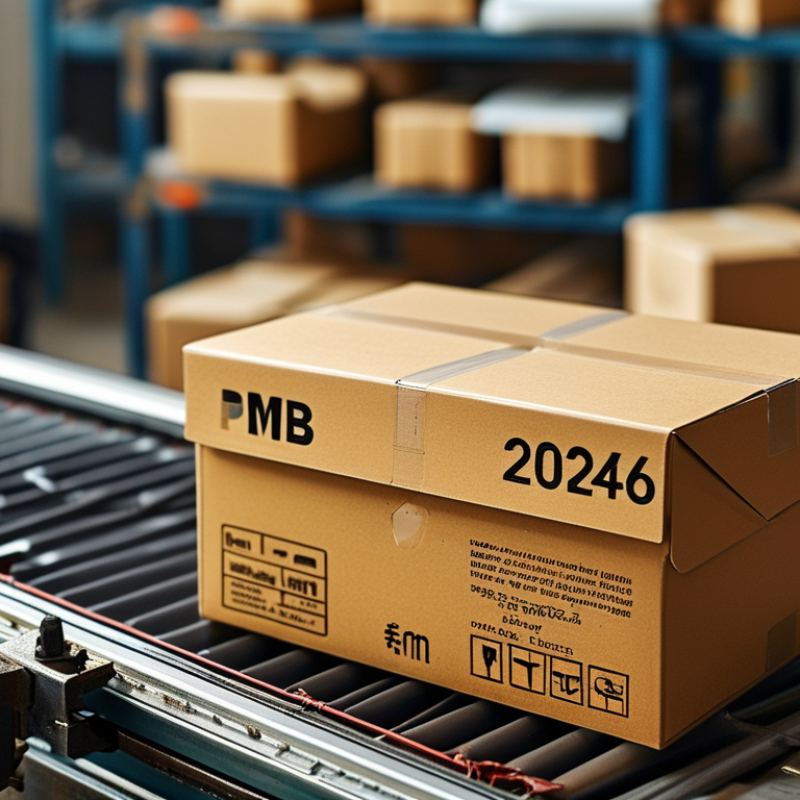
What Carton Sealers Are and How They Work
A carton sealer closes the open flaps of a corrugated box and secures them for storage or transport. Most machines use pressure-sensitive tape, hot-melt adhesive, or both. The choice depends on carton material, line speed, and warehouse conditions.
During operation, guides center the carton before the sealing process begins. Folding rails turn the top flaps inward. A tape head then applies adhesive tape across the center seam and presses it firmly onto both sides. Some systems seal the bottom and top in one pass. Sensors detect carton height and adjust the sealing head automatically. This reduces manual handling and keeps packages moving at a steady rate.
A reliable sealer needs more than a fast motor. Its belts must grip cartons without crushing corners. The folding guides need accurate alignment. Dust, weak corrugated board, and uneven flaps can still cause poor seals. That detail matters. Small errors multiply. Operators should test several carton sizes under real working conditions, not only with new boxes. Check tape adhesion after vibration, temperature changes, and short storage periods. A machine may perform well during a demonstration but struggle with dusty boxes or mixed carton heights. This is where buyer judgment matters. Clear maintenance access, adjustable controls, safety guarding, and available technical support often influence long-term value more than impressive speed figures. Some specifications look excellent on paper. They still need practical verification.
