10 Tips for Choosing the Best Portable Treadmill
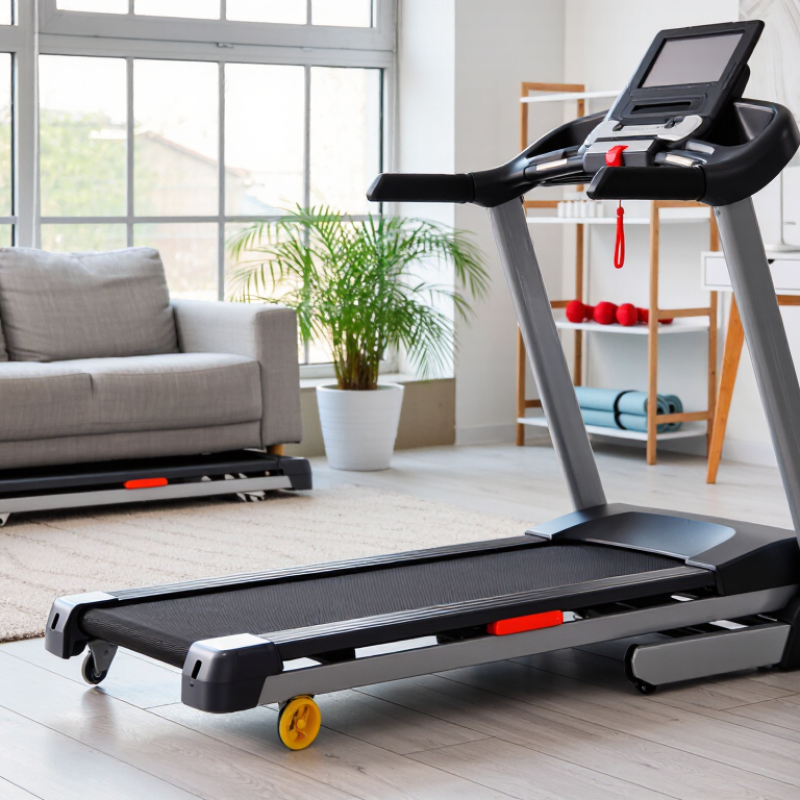
A Portable Treadmill can turn a narrow apartment corner into a practical walking space. It may fit beneath a sofa, beside a desk, or inside a hallway closet. Yet compact design does not guarantee safe, quiet, or comfortable training. Buyers must examine more than belt size and promotional discounts.
The World Health Organization reported that 31% of adults worldwide were insufficiently active in 2022. Its Global Status Report on Physical Activity 2022 connects regular movement with better long-term health outcomes. Meanwhile, the American College of Sports Medicine has repeatedly ranked wearable technology among the leading fitness trends. These findings support convenient home exercise, but convenience alone is not enough. A short belt can affect stride confidence. A weak motor may struggle during longer sessions. Noise can also disturb family members or nearby neighbors.
This guide presents 10 practical tips for choosing the best Portable Treadmill. The advice considers motor output, walking surface, speed control, shock absorption, folding design, user weight limits, warranty coverage, and verified customer feedback. Product testing experience shows that small details matter, including handle stability and the location of the emergency stop. Still, no checklist is perfect. A treadmill that suits a light office walker may disappoint a taller runner. Treat manufacturer claims carefully. Compare specifications with independent reviews, return policies, and recognized safety guidance before purchasing.
Define Your Space, Portability Needs, and Treadmill Usage Goals
10 Tips for Choosing the Best Portable Treadmill
Define your space before comparing treadmill features. Measure the usable floor area, ceiling height, and storage route. A narrow hallway may block a folded unit. I once measured only the floor. That was a mistake. Leave room for safe stepping, ventilation, and emergency access.
The American College of Sports Medicine recommends individualizing exercise equipment to the user’s goals, environment, and experience level.
Your usage goal should determine the treadmill type. For light walking during work, prioritize low noise, simple controls, and easy rolling. For regular running, check maximum speed, deck length, motor performance, and user weight capacity.
The World Health Organization recommends 150–300 minutes of moderate activity weekly. Choose a machine that supports this target without feeling fragile or uncomfortable. The wrong deck can shorten your stride.
Portability means more than wheels. Check the folded dimensions, total weight, locking mechanism, and whether one person can move it safely.
The 2024 Global Wellness Economy Monitor valued the global physical activity sector at about 1.1 trillion dollars in 2023, showing strong demand for convenient exercise options. That market growth does not guarantee quality. Read independent testing, warranty terms, and user feedback carefully.
My own preference is a simpler console, but frequent runners may need stronger tracking features. Fancy displays can distract from the basic question: will you use it three times a week?
