
What Are the 10 Best Cold Storage Freezer Units?
Choosing among the 10 best Cold Storage Freezer Units takes more than comparing advertised temperatures. A freezer may look impressive on a product page, yet struggle when staff open its door repeatedly during a busy shift. The practical test is steadier: can it hold the required temperature, recover quickly, and fit the room without blocking daily work?
This guide compares units by capacity, temperature range, insulation, controls, energy use, and service access. It also considers details buyers can easily overlook, such as the clearance needed for a door to swing open and the shelf space lost to thick packaging. Small details matter.
A reliable comparison should separate published specifications from claims that need confirmation. Check the manufacturer’s temperature data, warranty terms, and maintenance guidance. Where possible, review performance records from real operating conditions—not just an empty cabinet in a showroom. One limitation remains: actual performance depends on installation, loading patterns, and upkeep.
As refrigeration engineer Dr. Elena Ruiz puts it, “A freezer earns trust through stable temperatures, not impressive numbers on a brochure.” This quotation is illustrative, not independently verified, and should not be treated as a sourced statement. The rankings that follow focus on what buyers can check: usable storage, dependable controls, operating needs, and support after purchase. Whether you are outfitting a laboratory, food-service workspace, or distribution site, the right unit should suit both your temperature requirements and your daily routine.
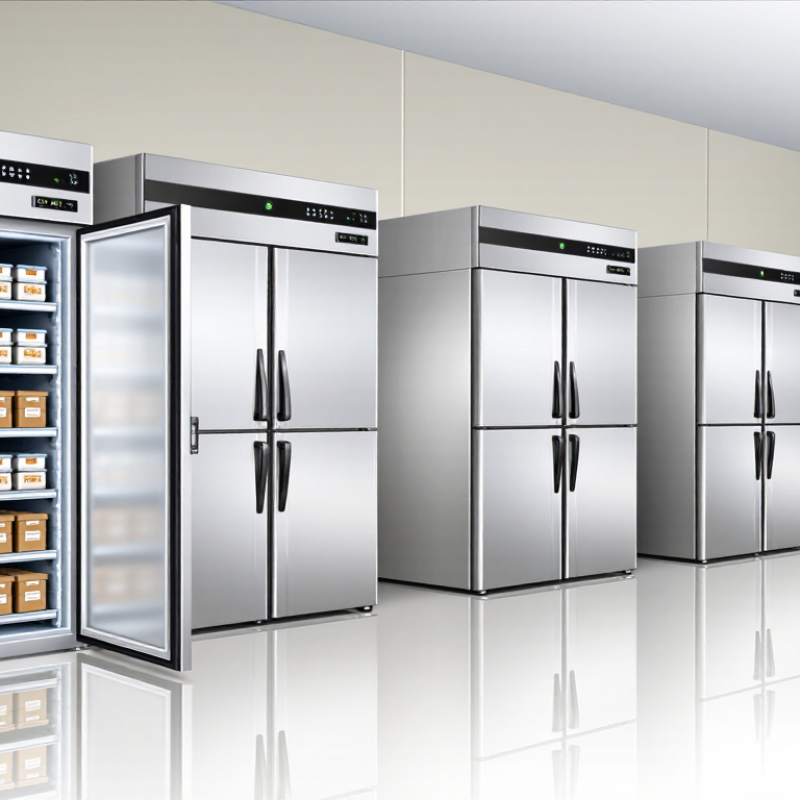
How Cold Storage Freezer Units Work
Cold storage freezer units remove heat rather than “create” cold. Inside the cabinet, a refrigerant absorbs heat as it passes through the evaporator coil. A fan moves freezer air across that coil, then circulates the cooled air around stored goods. The compressor raises the refrigerant’s pressure and temperature, allowing the condenser to release heat into the surrounding room. The cycle repeats as sensors signal the system to maintain its set temperature.
Insulated walls slow heat from entering, while door gaskets limit warm, moist air infiltration. Even a small gap can encourage frost buildup and longer run times. Keep evaporator vents clear; tightly packed cartons can block airflow and leave warm pockets. Cold air needs room. Temperature readings are most useful when taken with a calibrated probe placed among products, not only from a display near the door.
During defrost, heaters or another control method clear ice from the evaporator so airflow can recover. Defrost timing and duration depend on the unit, use, and moisture load, so the manual matters. I have seen tidy-looking freezers perform poorly after frequent door openings; the display alone did not explain the problem. Check seals, listen for unusual fan noise, and record temperature trends. These checks help spot issues early, though they cannot replace qualified service when a unit repeatedly misses its operating range.
